Alcohol detox field guide
Understanding Alcohol Detox: Is Alcohol Damage Reversible?
Explore the reversibility of alcohol damage and the role of detox in recovery. Learn how abstinence can lead to significant health improvements.
Alcohol detox is a critical first step in the journey toward 12 step recovery12 step recovery for individuals struggling with alcohol use disorder. This process involves the safe and supervised withdrawal from alcohol, allowing the body to eliminate toxins and begin healing from the damaging effects of prolonged alcohol consumption. Understanding the significance of alcohol detox and 12 step recovery is essential, as it not only addresses the physical dependence on alcohol but also provides crucial information for those seeking help with their addiction. This sets the foundation for long-term sobriety and overall health improvement. The importance of alcohol detox and addiction treatment info cannot be overstated. is essential, as it not only addresses the physical dependence on alcohol but also provides crucial information for those seeking help with their addiction. This sets the foundation for long-term sobriety and overall health improvement. The importance of alcohol detox and addiction treatment info cannot be overstated.
During this phase, individuals often experience a range of withdrawal symptoms, which can vary in intensity and duration. These symptoms may include anxiety, tremors, nausea, and even seizures in severe cases. Therefore, undergoing detox in a controlled environment, such as a rehabilitation center, ensures that medical professionals can provide necessary support and interventions to manage these symptoms effectively. This medical supervision is crucial for minimizing risks and enhancing the chances of successful recovery. Moreover, detoxification is not merely about stopping alcohol consumption; it is also about initiating a comprehensive healing process. As the body begins to recover from the toxic effects of alcohol, individuals may start to notice improvements in their physical health, mental clarity, and emotional stability.
This transformation raises an important question: is alcohol damage reversible ? While some effects of alcohol abuse can be long-lasting, research indicates that many aspects of alcohol-related damage can indeed be reversed with sustained abstinence and a commitment to healthy living. In this article, we will explore the various dimensions of alcohol detox and its role in reversing alcohol-related damage. By delving into scientific findings and personal stories of recovery, we aim to provide a comprehensive understanding of how detoxification serves as a pivotal turning point in reclaiming one’s health and well-being.
The Impact of Alcohol on the Body
Alcohol consumption can have profound effects on various organs and systems within the body, leading to a range of health issues that can be both acute and chronic. Understanding these impacts is crucial for anyone considering their relationship with alcohol.Liver Damage
The liver is particularly vulnerable to the effects of alcohol. Chronic alcohol consumption can lead to conditions such as fatty liver, alcoholic hepatitis, and cirrhosis.
Fatty liver occurs when excess fat builds up in liver cells, which can happen even after a short period of heavy drinking. If alcohol consumption continues, this can progress to alcoholic hepatitis, characterized by inflammation and liver cell damage. Ultimately, prolonged abuse may result in cirrhosis, a severe scarring of the liver that can be life-threatening.
Cardiovascular Health
Alcohol also significantly impacts cardiovascular health. While moderate consumption may have some protective effects against heart disease, excessive drinking can lead to high blood pressure, cardiomyopathy (a condition where the heart muscle weakens), and an increased risk of stroke.
The relationship between alcohol and heart health is complex; thus, understanding personal limits is essential.
Neurological Effects
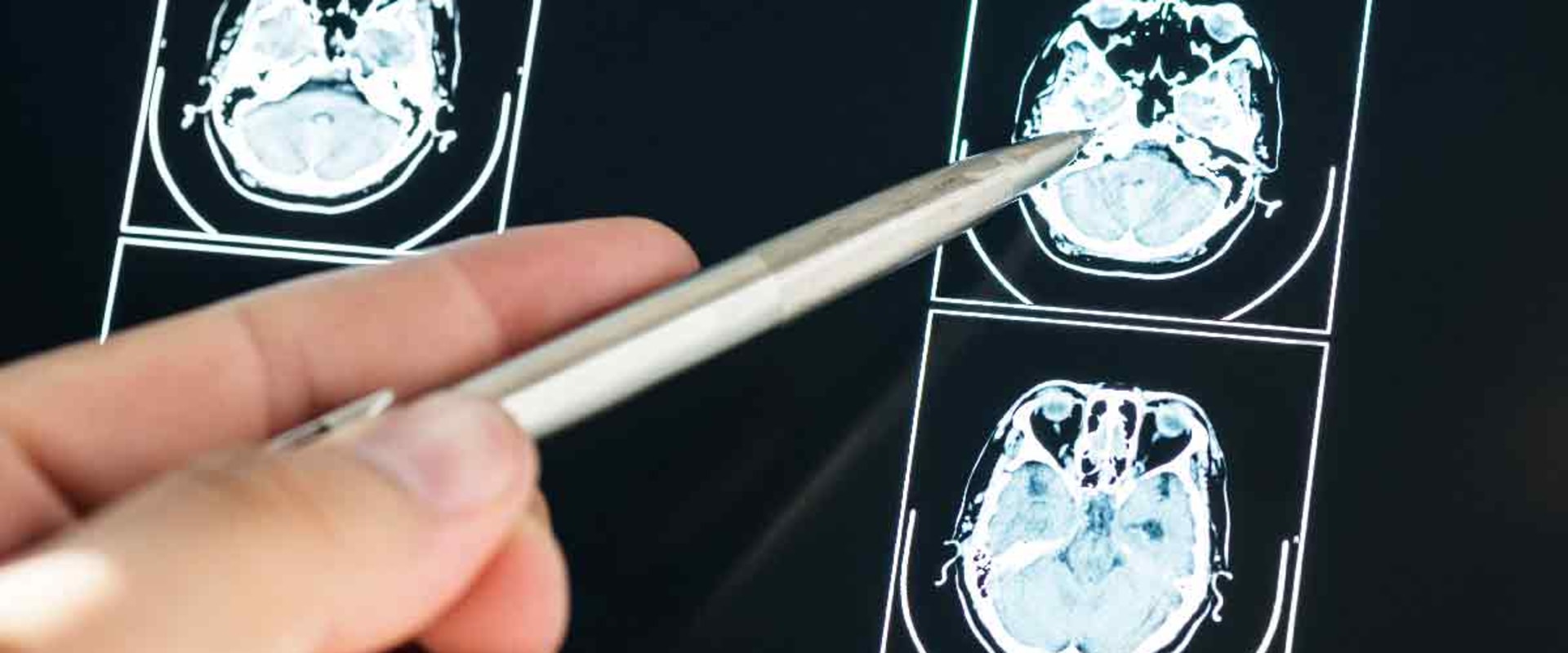
The brain is another critical area affected by alcohol. Regular heavy drinking can lead to cognitive impairments, including memory loss and difficulties with problem-solving. Alcohol-induced brain damage often manifests as shrinkage in certain brain regions, which can affect mood and behavior. Fortunately, some of these changes may be reversible with sustained abstinence from alcohol.
Gastrointestinal Issues
Alcohol can also wreak havoc on the gastrointestinal tract.
It irritates the stomach lining, leading to gastritis and ulcers. Additionally, chronic alcohol use can disrupt nutrient absorption in the intestines, resulting in deficiencies that further complicate health issues.
Immune System Suppression
Another significant impact of alcohol is its effect on the immune system. Heavy drinking can weaken immune responses, making individuals more susceptible to infections and diseases. This suppression can hinder recovery from illnesses and increase the risk of complications.
In summary, the effects of alcohol on health are extensive and multifaceted.
From liver damage to neurological impairments and cardiovascular issues, understanding these risks is vital for making informed decisions about alcohol consumption.
Understanding Alcohol Detoxification
Alcohol detoxification, often referred to simply as alcohol detox, is the initial step in the recovery process for individuals struggling with alcohol use disorder. This process involves the safe removal of alcohol from the body and managing withdrawal symptoms that can arise when a person stops drinking. Understanding the detox process is crucial for anyone considering sobriety, as it lays the foundation for long-term recovery. The detox process typically begins with an assessment by healthcare professionals, who evaluate the individual's drinking history, physical health, and any co-occurring mental health issues. This assessment helps determine the appropriate level of care and whether detox should occur in an inpatient or outpatient setting.Detox Methods
There are several methods of alcohol detoxification, each tailored to meet the needs of the individual:-
Medical Detox: This method is conducted in a clinical setting where medical professionals monitor the patient.
Medications may be administered to alleviate withdrawal symptoms and reduce cravings. Common medications include benzodiazepines, which help manage anxiety and prevent seizures.
- Outpatient Detox: For those with a less severe addiction, outpatient detox allows individuals to undergo treatment while living at home. Regular check-ins with healthcare providers ensure safety and support throughout the process.
- Holistic Detox: Some individuals may opt for holistic approaches that incorporate natural remedies, nutritional support, and alternative therapies such as acupuncture or yoga. While these methods can complement traditional detox, they should be approached with caution and ideally under professional guidance.
Timeline of Detoxification
The timeline for alcohol detox can vary significantly based on several factors, including the severity of alcohol dependence and individual health conditions.Generally, withdrawal symptoms can begin within 6 to 24 hours after the last drink and may peak around 48 to 72 hours. Common symptoms include:
- Anxiety
- Tremors
- Nausea and vomiting
- Insomnia
- Severe cases may lead to delirium tremens (DTs), a potentially life-threatening condition characterized by confusion, hallucinations, and seizures.
Reversibility of Alcohol-Induced Damage
Understanding the reversibility of alcohol-induced damage is crucial for those seeking recovery from alcohol use disorder.While the extent of recovery can vary significantly among individuals, research indicates that certain types of damage caused by alcohol can indeed be reversed through sustained abstinence and a commitment to healthy living.
Brain Recovery
The brain is one of the most affected organs by chronic alcohol consumption. Alcohol can lead to cognitive impairments, memory loss, and structural changes in brain cells. However, studies have shown that many of these effects can be mitigated over time. When an individual stops drinking, the brain begins to heal itself.This process is often referred to as neuroplasticity, where the brain forms new connections and pathways.
- Neurogenesis: Research suggests that abstaining from alcohol can promote the growth of new neurons, particularly in the hippocampus, a region associated with memory and learning.
- Cell Recovery: Some studies indicate that the shrinkage of brain cells caused by alcohol may reverse after a period of sobriety, as these cells regain their normal size and function.
- Cognitive Improvement: Many individuals report improvements in cognitive functions such as attention, problem-solving skills, and memory after several months of sobriety.
Liver Recovery
The liver is another organ significantly impacted by excessive alcohol consumption. Chronic drinking can lead to conditions such as fatty liver disease, alcoholic hepatitis, and cirrhosis. Fortunately, many liver-related issues are reversible if alcohol consumption ceases.- Fatty Liver Disease: This condition is often the first stage of alcohol-related liver damage. With complete abstinence from alcohol, fatty deposits in the liver can diminish within weeks.
-
Alcoholic Hepatitis: Mild cases of alcoholic hepatitis can improve significantly with sobriety.
The liver has a remarkable ability to regenerate itself when given the chance.
- Cirrhosis: While advanced cirrhosis may not be fully reversible, stopping drinking can prevent further damage and improve overall liver function.
The Role of Abstinence in Recovery
Abstinence from alcohol is a cornerstone of the recovery process, playing a pivotal role in reversing the damage caused by excessive drinking. When individuals commit to sobriety, they initiate a healing journey that can lead to significant improvements in both physical and mental health. One of the most immediate benefits of abstaining from alcohol is the body’s ability to begin repairing itself. For instance, the liver, which is often severely affected by chronic alcohol consumption, can regenerate its cells and restore function when alcohol is eliminated from the diet.Studies have shown that even mild alcoholic hepatitis can be reversed with sustained abstinence, highlighting the liver's remarkable capacity for recovery. Moreover, the brain also benefits significantly from sobriety. Alcohol has been shown to cause cognitive impairments and shrinkage in certain brain regions. However, research indicates that these changes can start to reverse after a period of abstinence. As the brain begins to heal, individuals may experience improvements in memory, focus, and overall cognitive function.
This recovery process underscores the importance of maintaining sobriety not just for physical health but also for mental clarity and emotional stability. In addition to physical healing, abstinence fosters a healthier lifestyle overall. Individuals who choose sober living often find themselves more engaged in activities that promote well-being, such as regular exercise, balanced nutrition, and better sleep patterns. These lifestyle changes can further enhance recovery outcomes and contribute to a more fulfilling life free from the constraints of alcohol dependency. Furthermore, embracing sobriety allows individuals to rebuild relationships that may have been strained due to alcohol abuse. Support from family and friends becomes crucial during this time, as social connections can provide encouragement and accountability. This recovery process underscores the importance of maintaining sobriety not just for physical health but also for mental clarity and emotional stability. In addition to physical healing, abstinence fosters a healthier lifestyle overall. Individuals who choose sober living often find themselves more engaged in activities that promote well-being, such as regular exercise, balanced nutrition, and better sleep patterns. These lifestyle changes can further enhance recovery outcomes and contribute to a more fulfilling life free from the constraints of alcohol dependency. Furthermore, embracing sobriety allows individuals to rebuild relationships that may have been strained due to alcohol abuse. Support from family and friends becomes crucial during this time, as social connections can provide encouragement and accountability.
Engaging in support groups or therapy can also be beneficial, offering a safe space to share experiences and learn coping strategies. Ultimately, the journey of recovery is deeply personal and varies for each individual. However, the common thread remains clear: abstinence is essential for reversing alcohol-related damage and achieving lasting health improvements. By committing to a sober lifestyle, individuals not only reclaim their health but also open doors to new opportunities for happiness and fulfillment.
Factors Influencing Recovery from Alcohol Damage
Recovering from alcohol damage is a multifaceted process influenced by various factors. Understanding these elements can significantly enhance the chances of successful recovery and improve overall health outcomes.Age and Recovery
Age plays a crucial role in the recovery process from alcohol-related damage.Younger individuals often have a greater capacity for recovery due to their body's natural resilience and regenerative abilities. For instance, younger adults may experience faster healing of liver tissues and cognitive functions compared to older adults, whose bodies may have already begun to show signs of aging and decreased regenerative capacity. However, age is not the sole determinant. Older adults can still achieve significant recovery, especially if they adopt a proactive approach to their health. Engaging in regular medical check-ups, following a balanced diet, and maintaining an active lifestyle can greatly enhance recovery prospects.
The Role of Diet
A nutritious diet is fundamental in the recovery journey from alcohol damage.Consuming a variety of whole foods rich in vitamins, minerals, and antioxidants can help repair bodily systems affected by alcohol. Key nutrients include:
- Vitamin B1 (Thiamine): Essential for brain health and often depleted in individuals with alcohol use disorder.
- Omega-3 Fatty Acids: Found in fish and flaxseeds, these can support brain function and reduce inflammation.
- Antioxidants: Foods like berries, nuts, and leafy greens help combat oxidative stress caused by alcohol.
Exercise and Physical Activity
Regular physical activity is another critical factor influencing recovery. Exercise not only helps improve physical health but also enhances mental well-being. Engaging in activities such as walking, swimming, or yoga can:- Boost mood by releasing endorphins.
- Improve cognitive function through increased blood flow to the brain.
- Support liver health by promoting metabolic processes.
Mental Health Considerations
Mental health is intricately linked to physical recovery from alcohol damage.Individuals recovering from alcohol use disorder often face challenges such as anxiety, depression, or stress. Addressing these mental health issues through therapy or support groups can be vital for successful recovery. Techniques such as mindfulness, cognitive-behavioral therapy (CBT), or engaging in community support can provide essential coping mechanisms that promote long-term sobriety. In conclusion, while the journey to recover from alcohol damage may be complex, understanding the factors that influence this process—such as age, diet, exercise, and mental health—can empower individuals to take actionable steps towards healing and reclaiming their lives.
Common Myths About Alcohol Damage Reversibility
When discussing the effects of alcohol on health, numerous myths and misconceptions can cloud the understanding of whether alcohol damage is reversible. Addressing these myths is crucial for anyone seeking clarity on the recovery process.Myth 1: All Alcohol Damage is Permanent
One of the most pervasive myths is that all damage caused by alcohol consumption is irreversible.
While it is true that chronic alcohol abuse can lead to severe health issues, many studies indicate that certain types of damage, particularly to the liver and brain, can be reversed with sustained abstinence. For instance, individuals who stop drinking may experience improvements in liver function and cognitive abilities over time.
Myth 2: Detox Alone Can Reverse Damage
Another common misconception is that undergoing a detox program will automatically reverse all alcohol-related damage. While detoxification is an essential first step in recovery, it is not a cure-all. True recovery involves ongoing support, lifestyle changes, and often therapy to address the underlying issues related to alcohol use.
Detox alone does not guarantee that all damage will be reversed.
Myth 3: Recovery Means No Changes in Lifestyle
Some believe that simply stopping alcohol consumption is sufficient for recovery. However, achieving lasting health improvements often requires significant lifestyle changes. This includes adopting a balanced diet, engaging in regular physical activity, managing stress effectively, and seeking social support. These changes can enhance the body’s ability to heal and recover from the effects of alcohol.
Myth 4: Brain Damage from Alcohol is Irreversible
Many people fear that any cognitive impairment caused by alcohol consumption is permanent.
Research has shown that while some brain cells may die due to excessive drinking, others can recover and regenerate after a period of sobriety. The brain has a remarkable ability to adapt and heal itself, especially when given the right conditions for recovery.
Myth 5: You Have to Hit Rock Bottom Before Recovery is Possible
Lastly, there’s a belief that one must reach a point of complete devastation before seeking help. In reality, early intervention can significantly improve outcomes. The sooner an individual seeks help and commits to sobriety, the better their chances are for reversing damage and achieving long-term health.
By debunking these myths surrounding alcohol damage and its reversibility, individuals can approach recovery with a clearer understanding of what to expect and how to support their healing journey.
FAQs About Alcohol Detox and Damage Reversibility
When considering the journey of alcohol detox and the potential for reversing damage caused by alcohol, many individuals have questions.Here are some frequently asked questions that can provide clarity and insight into this critical topic.
What is alcohol detox?
Alcohol detox refers to the process of allowing the body to rid itself of alcohol after a period of heavy consumption. This process can involve withdrawal symptoms as the body adjusts to functioning without alcohol. Detoxification is often the first step in a comprehensive treatment plan for alcohol use disorder.How long does alcohol detox take?
The duration of alcohol detox can vary significantly based on several factors, including the severity of alcohol dependence, individual health conditions, and whether medical supervision is involved. Generally, detox can last from a few days to a week, but some individuals may experience lingering symptoms for longer.Is all damage from alcohol reversible?
Not all damage caused by alcohol is reversible; however, many effects can improve significantly with abstinence.For instance, liver damage from mild alcoholic hepatitis often shows signs of recovery after quitting drinking. Similarly, cognitive functions may improve as brain cells recover from the effects of alcohol.
What are common withdrawal symptoms during detox?
- Anxiety: Many individuals experience heightened anxiety levels during detox.
- Tremors: Shaking hands or body tremors are common physical symptoms.
- Nausea: Feelings of nausea and vomiting can occur as the body adjusts.
- Sweating: Increased perspiration is another typical symptom.
- Insomnia: Difficulty sleeping is frequently reported during this phase.
How can I support my recovery after detox?
Post-detox recovery involves several key components:- Nutritional support: A balanced diet rich in vitamins and minerals can aid in recovery.
- Regular exercise: Physical activity helps improve mood and overall health.
- Counseling or therapy: Engaging in therapy can address underlying issues related to alcohol use.
- Support groups: Connecting with others who have similar experiences can provide encouragement and accountability.
Conclusion: The Path to Recovery from Alcohol Damage
In conclusion, the journey towards recovery from alcohol damage is both challenging and hopeful. The evidence suggests that while some effects of alcohol abuse can be severe and long-lasting, many individuals can experience significant improvements through alcohol detox and sustained abstinence.The human body possesses remarkable resilience, and with the right support and lifestyle changes, it can begin to heal. One of the most critical steps in this recovery process is recognizing the importance of abstinence. By eliminating alcohol from one’s life, individuals not only stop further damage but also create an environment conducive to healing. Studies have shown that cognitive functions can improve, liver health can be restored, and even emotional well-being can see a positive shift when alcohol is removed from the equation. Moreover, the timeline for recovery varies among individuals. Many people notice improvements within the first few months of sobriety, particularly in areas such as memory and cognitive clarity.
However, it is essential to understand that recovery is a gradual process. Some changes may take longer to manifest, and ongoing support through therapy or support groups can be invaluable. Additionally, adopting a healthy lifestyle plays a crucial role in enhancing recovery outcomes. Engaging in regular physical activity, maintaining a balanced diet rich in nutrients, managing stress effectively, and ensuring adequate sleep are all vital components that contribute to overall health and well-being during recovery. Ultimately, while not all damage caused by alcohol is reversible, many individuals find hope in the possibility of recovery. The path may be fraught with challenges, but with determination and support, it is possible to reclaim one’s health and lead a fulfilling life free from the grips of alcohol.
Top Articles

Understanding Alcohol Withdrawal Seizures: Causes, Risks, and Management
Explore the causes, risks, and management of alcohol withdrawal seizures during detox. Learn how to ensure a safer recovery journey.

Do Hospitals Offer Alcohol Detox? An Expert's Guide
Explore the essential guide to alcohol detox in hospitals, including processes, risks, and aftercare for effective recovery from alcohol use disorder.

Understanding Alcohol Detox: Duration, Symptoms, and Support
Discover the timeline, symptoms, and essential support for alcohol detox. Understand the journey to sobriety and what to expect during recovery.

Understanding Alcohol Detoxification: Effects on Your Body When You Stop Drinking
Discover what happens to your body during alcohol detoxification and the importance of medical supervision for a safe recovery.
Previous guide
Understanding Alcohol Detoxification: What to Expect and Effective Treatment Options
Learn about alcohol detoxification, withdrawal symptoms, and effective treatment options for a successful recovery from alcohol dependence.